A complete guide to the UK's most popular business structure — from registration and taxes to the pros and cons of being self-employed
A sole trader is an individual who operates a business in their own name or under a business name. Unlike a limited company, there is no separate legal entity. The business and the owner are legally the same person.
It is the simplest and most common business structure in the UK — often the quickest and most straightforward way to start trading.

As a sole trader, all business income belongs to you personally. Here's how the process works:
Raise invoices and receive payments from your clients or customers for the goods or services you provide.
Pay for business costs such as equipment, travel, marketing, insurance, and professional services.
Work out your profit by subtracting allowable business expenses from your total business income.
Report your business profits to HMRC each year by completing a Self Assessment tax return.
Pay Income Tax, Class 2 and Class 4 National Insurance contributions on your taxable profits.
You don't register with Companies House. You simply register for Self Assessment with HMRC.
👉 Learn more about our Self Assessment Tax Return Services
Many successful businesses start as sole traders before eventually becoming limited companies. Common examples include:
Many new business owners choose the sole trader route because it is straightforward and flexible.
Registering as a sole trader is much simpler than forming a limited company. There is no Companies House registration process unless you later choose to incorporate.
Sole traders have fewer compliance requirements. No annual accounts at Companies House, no Corporation Tax returns, and no confirmation statements.
Unlike limited companies, sole traders do not have their financial information published on the Companies House register.
You make all business decisions yourself without needing approval from shareholders or directors.
While sole trading offers simplicity, there are also important considerations to be aware of.
This is the biggest consideration. If the business owes money, you are personally responsible for the debts. Your personal assets could potentially be at risk.
As profits increase, operating through a limited company may become more tax efficient. Many businesses eventually review incorporation.
Some customers, suppliers and lenders may view limited companies as more established than sole traders. This depends on your industry and client base.
👉 Learn more about our Limited Company Accountants
Most people register as a sole trader through HMRC. The process is straightforward.
You can begin trading as a sole trader immediately. There's no need to wait for registration approval before you start.
Register with HMRC for Self Assessment. You'll receive a Unique Taxpayer Reference (UTR) number which you use for all tax correspondence.
Maintain accurate records of all income, expenses, invoices and receipts throughout the tax year.
Complete and submit a Self Assessment tax return each year, reporting your business income and expenses to HMRC.
Pay any Income Tax and National Insurance contributions due by the relevant deadlines — 31 January for online returns.
Many new business owners choose to work with an accountant to ensure everything is set up correctly from day one.
Get Help RegisteringSole traders are taxed on their business profits rather than their total income. Unlike limited companies, sole traders do not pay Corporation Tax.
| Tax Type | Description |
|---|---|
| Income Tax | Paid on business profits above the personal allowance |
| Class 2 NI | Flat-rate National Insurance for self-employed individuals |
| Class 4 NI | Percentage-based NI on taxable profits |
| VAT | Value Added Tax charged on goods and services |
Tax rates and thresholds can change. Always check the latest HMRC guidance or speak to an accountant.
One of the most common questions new business owners ask is which structure to choose. Here's a side-by-side comparison.
| Feature | Sole Trader | Limited Company |
|---|---|---|
| Setup | Simple — register with HMRC | More complex — register with Companies House |
| Liability | Personal liability — your assets at risk | Limited liability — company is separate |
| Tax | Income Tax + NI on profits | Corporation Tax + dividends/salary |
| Filing | Self Assessment only | Annual accounts + CT600 + confirmation statement |
| Legal Entity | Business and owner are the same | Separate legal entity |
| Best For | Startups & small businesses | Growing businesses & higher profits |
The right structure depends on your profit levels, business risks, growth plans, and personal circumstances.
Many sole traders consider incorporation as their business grows. There is no fixed point at which you should incorporate — a qualified accountant can review your circumstances and advise on the most suitable option.
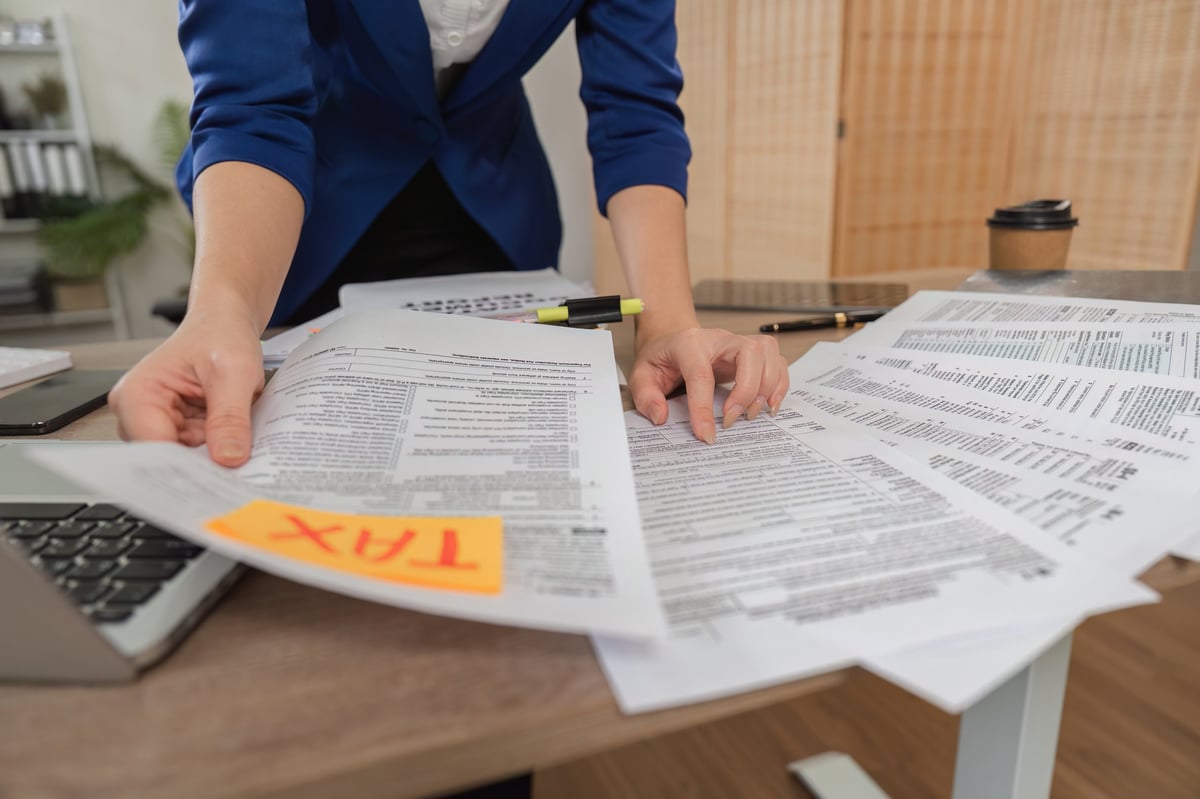
You can manage your own bookkeeping and tax returns if you wish. However, many sole traders choose to use an accountant.
👉 Read our guide: Do I Need an Accountant for Self Assessment?
Many sole traders can claim business expenses to reduce their taxable profit. The rules depend on whether the expense is wholly and exclusively for business purposes.
Many new sole traders make avoidable mistakes. Good bookkeeping and professional advice can help you avoid these issues.
Failing to register with HMRC can lead to penalties and complications.
31 January deadline for online returns is critical — late filing triggers automatic penalties.
You must keep records for at least 5 years after the tax return deadline.
Use a separate business bank account to keep things clean and simple.
Not claiming all legitimate expenses means you pay more tax than necessary.
Set money aside throughout the year — your tax bill can be significant.
👉 Learn more about our Affordable Accountancy Services
Quick answers to the most common questions about being a sole trader
A sole trader is a self-employed individual who owns and operates a business personally rather than through a limited company.
No. Sole traders generally register with HMRC for Self Assessment rather than registering a company with Companies House.
Yes. Most sole traders are self-employed and responsible for their own tax affairs.
Sole traders may pay Income Tax, National Insurance (Class 2 and Class 4) and VAT where applicable.
Yes. Sole traders can employ staff and operate payroll schemes.
Yes. Many businesses start as sole traders and later incorporate as limited companies. Taxwise can help with this transition.
Being a sole trader is often the simplest and most cost-effective way to start a business in the UK. It offers simple setup, lower administration, full control, and flexibility — but it also comes with personal liability and may not always be the most tax-efficient structure as profits grow.
Simple Setup
Full Control
Flexibility
Whether you're just starting out or looking to grow your business, our experienced accountants can help you choose the right structure and stay compliant with HMRC.