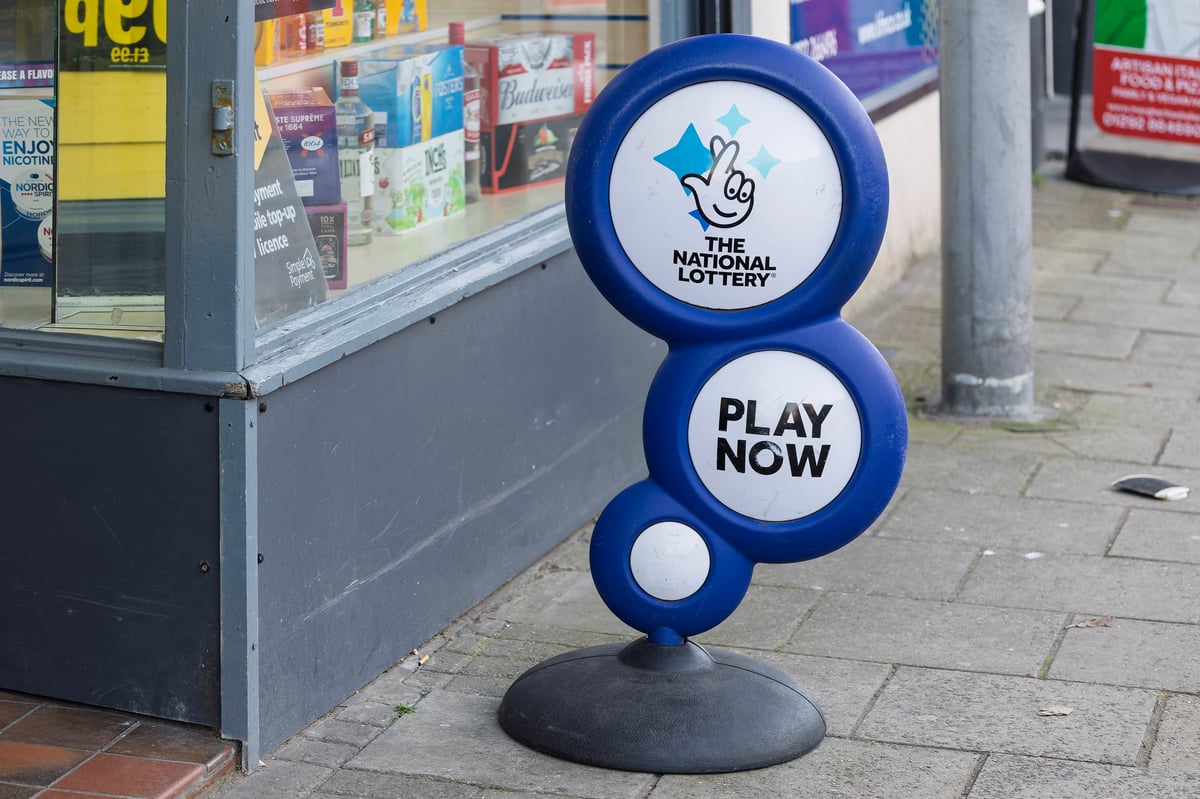
Good news for lottery players: In the UK, the prize itself is normally not taxed when you receive it. However, the tax problems often start later. Once the money is saved, invested, given away, or used to buy income-producing assets.
This guide explains exactly what HMRC's rules mean for lottery winners, what tax can apply after the win, and how to plan ahead
Usually not taxed when you win it.
Savings interest, dividends, rent and later gains can be taxable.
No separate gift tax, but Inheritance Tax rules can still apply.
A genuine pre-agreed syndicate can share winnings properly and avoid later disputes.
No. A normal lottery prize is not taxed when you receive it in the UK. HMRC's rules treat lottery and pools winnings as outside Capital Gains Tax, and gambling winnings are not taxed like ordinary income. The prize itself is usually tax free, but what you do next with the money can create a tax bill
That means if you win the National Lottery, EuroMillions, a scratch card prize or a similar lawful lottery payout, you normally keep the full amount. The win is the event. The tax questions only begin once the money starts generating other income or gains.
According to GOV.UK: "You do not usually pay Capital Gains Tax on betting, lottery or pools winnings." View official guidance →
The win itself is tax free, but the money can create tax later. Savings interest, dividends, rental profits, and gains on investments can all be taxed under the normal UK rules. Inheritance Tax can also matter if you die after giving the money away or if it forms part of your estate
If you put your winnings in a savings account, any interest can be taxable once you go beyond the allowances available to you. HMRC says the starting rate for savings can be up to £5,000, and your Personal Savings Allowance can also help, depending on your income band.
That is why a jackpot sitting in a bank account is not always tax free in practical terms. The capital is tax free, but the interest it produces may not be. If the interest becomes taxable, it may need to go on a Self Assessment tax return.
Expert insight: A large lottery win often creates a hidden tax issue through bank interest long before the winner notices it. Many people focus on the headline prize and forget that even a basic savings account can create reportable income once the balances are large enough.
If you invest your winnings in shares or funds, dividend income can be taxable above the dividend allowance. For the 2024/25 tax year, the dividend allowance is £500 and dividend tax rates apply above that, depending on your tax band.
So if one of your investments performs very well and starts paying large dividends, the dividend tax rules apply to you personally if you hold the investment in your own name. The lottery win is still not taxed, but the investment income that follows can be.
Related reading: Learn how to structure investments tax-efficiently and understand the difference between personal vs. corporate investment holding.
If you use winnings to buy a property and let it out, the rent is taxable in the normal way. HMRC says rental profit is the amount left after deducting allowable expenses and allowances, and income from property above the reporting thresholds must be declared.
This is a common mistake after a big win. The winner thinks the money is tax free, buys a buy-to-let property, and then discovers the rental income has to be reported every year. That is not a problem if it is planned properly, but it does need to be declared.
Important: Many lottery winners who buy property to let forget that HMRC is actively targeting landlords with data-matching on rental income. Make sure you declare rental profits correctly.
You do not pay Capital Gains Tax on the lottery win itself. GOV.UK specifically lists betting, lottery and pools winnings as outside CGT. But if you later buy assets, such as shares, antiques or a second property, and sell them for a profit, CGT can arise on that later gain.
Expert insight: Many lottery winners end up with CGT problems not because of the win, but because of what they buy after the win. Good records matter from day one, especially if you plan to invest heavily or build a property portfolio.
There is no separate gift tax in the UK. Gifts are dealt with under Inheritance Tax rules, which means the 7-year rule can matter if you make a gift and later die within that period. HMRC says gifts can be exempt if you live for 7 years after giving them away, subject to the usual exemptions.
That does not mean you should avoid gifting. It simply means large gifts from a lottery win should be planned carefully, especially if you want to support children, grandchildren or friends. Estate planning becomes important once the win is in your name.
A genuine syndicate can share lottery winnings tax free, provided it is organised properly and the payout follows a pre-agreed arrangement. HMRC's Statement of Practice E14 says no Inheritance Tax liability arises on National Lottery or similar syndicate winnings if the winnings are paid out in accordance with a written agreement made before the win.
This is important for friends, family and work colleagues. If several people chip in, make sure there is a simple written record of who paid what and how winnings will be split. That can prevent arguments later and helps show the arrangement was a true syndicate, not a casual promise after the event.
If you are not just winning a lottery but organising or promoting one, different tax and gambling duty rules can apply. In that case you are dealing with a business activity, not a private win, so the operator side of the rules matters.
HMRC's internal manuals also make clear that promoting a lottery can be treated as a trade in the right circumstances. That is a very different question from receiving a prize as a player.
Open a dedicated account for the winnings before making any transfers.
Check whether you want to save, invest, buy property, help family members or clear debts—each choice has different tax consequences.
If the numbers are large, take advice before making major transfers. Consider consulting our accountancy services to understand your obligations.
Save the lottery receipt, bank statement showing the win, and any written syndicate agreement. These records will make tax reporting much easier later.
Common questions about UK lottery winnings and tax
GOV.UK confirms you do not pay CGT on betting, lottery or pools winnings.
GOV.UK explains the starting rate for savings and the Personal Savings Allowance.
GOV.UK explains how gifts are treated after death and taper relief rules.
GOV.UK guidance on how to register for Self Assessment if your winnings start producing taxable income.
Learn when savings interest needs to be declared on a tax return.
Smart ways to manage a windfall while staying HMRC compliant.
What landlords need to know about HMRC compliance in 2025.
Understanding your tax obligations when earning extra income.
Whether you have won the lottery or are managing complex tax affairs, our team at Taxwise can help you stay compliant and make the most of your money.